f.l.t.r.,
Daniel Stulik (Volkswagen Group Fleet International), Michael Klasa (Swisscom) and Harry Herrmann (Volkswagen Financial Services)
Škoda Peaq 90x,
power consumption (combined): 15.9–18.5 kWh/100 km; CO₂ emissions (combined): 0 g/km; CO₂ class: A. (Status: 08.2026)
Škoda Epiq 55,
power consumption (combined): 13.7–14.1 kWh/100 km; CO₂ emissions (combined): 0 g/km; CO₂ class: A. (Status: 08.2026)
Volkswagen ID. Polo,
The illustration may differ from the actual product depending on the software version.
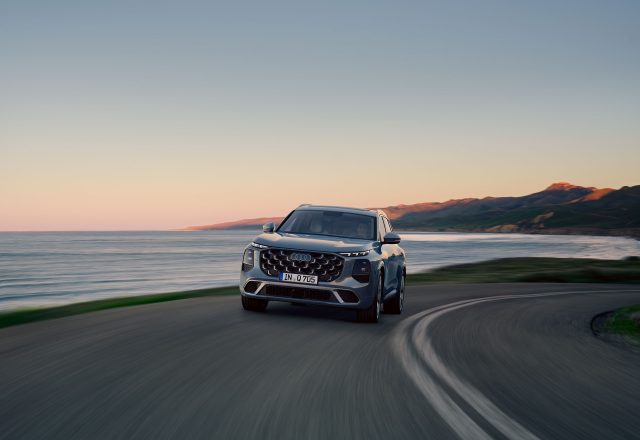
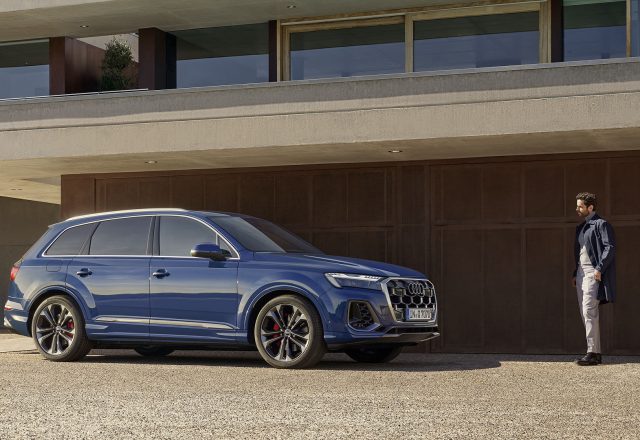
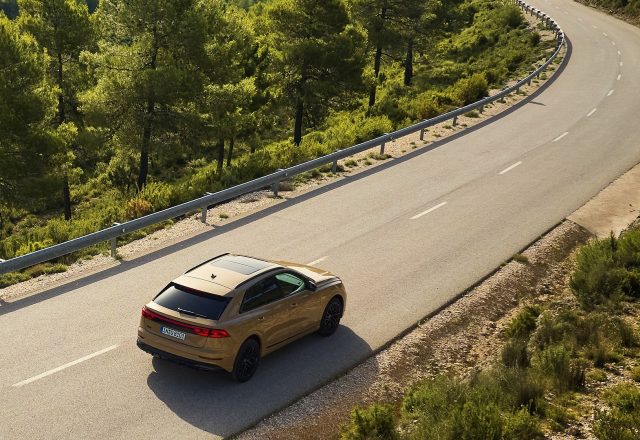
Audi Q7 SUV,
fuel consumption in l/100 km (combined): 8,0–7,1 l/100 km; CO₂ emissions (combined): 209–186 g/km; CO₂ class: G. Vehicle images show special equipment. (Status 08.2026)
ID. Cross Style (52 kWh),
power consumption combined: 16.9 - 14.4 kWh/100km; CO₂ emissions combined: 0 g/km; CO₂ class: A. Vehicle image shows special equipment. (Status: 08.2026)
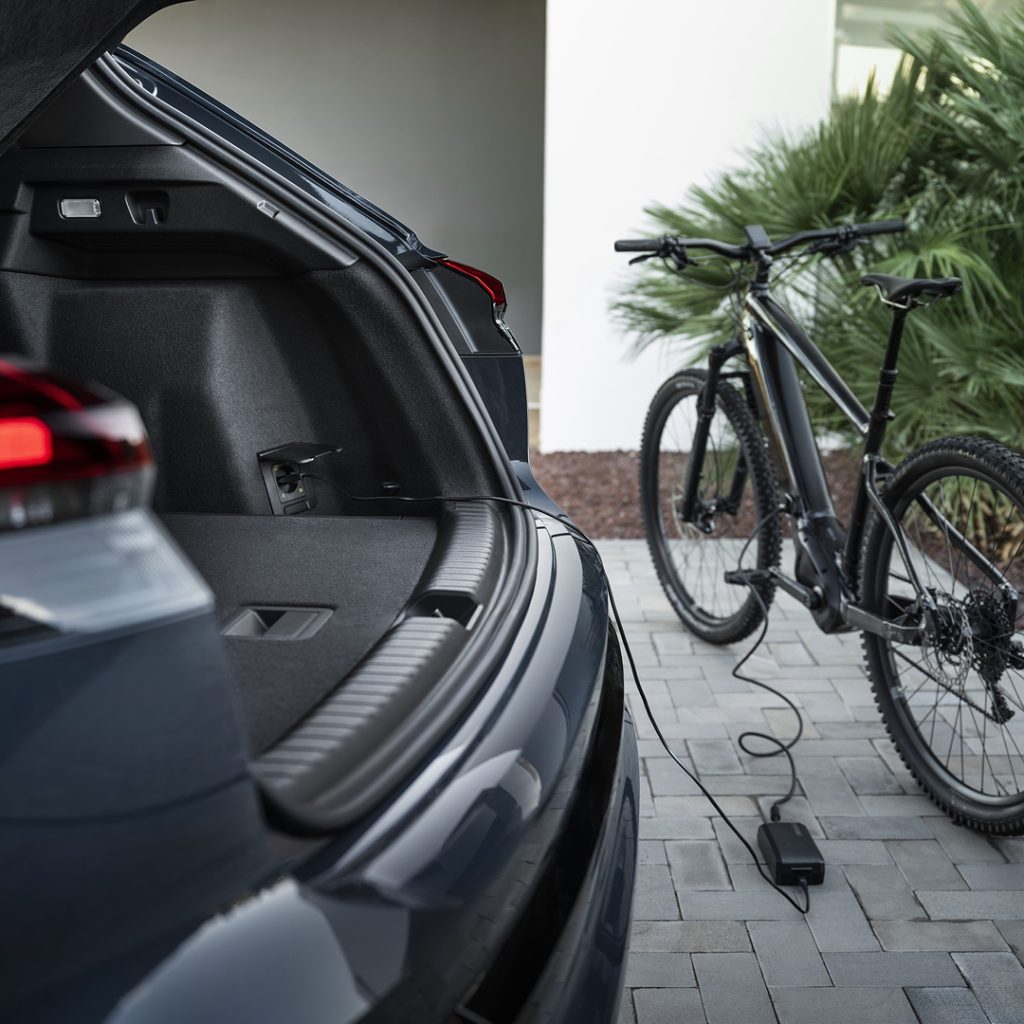
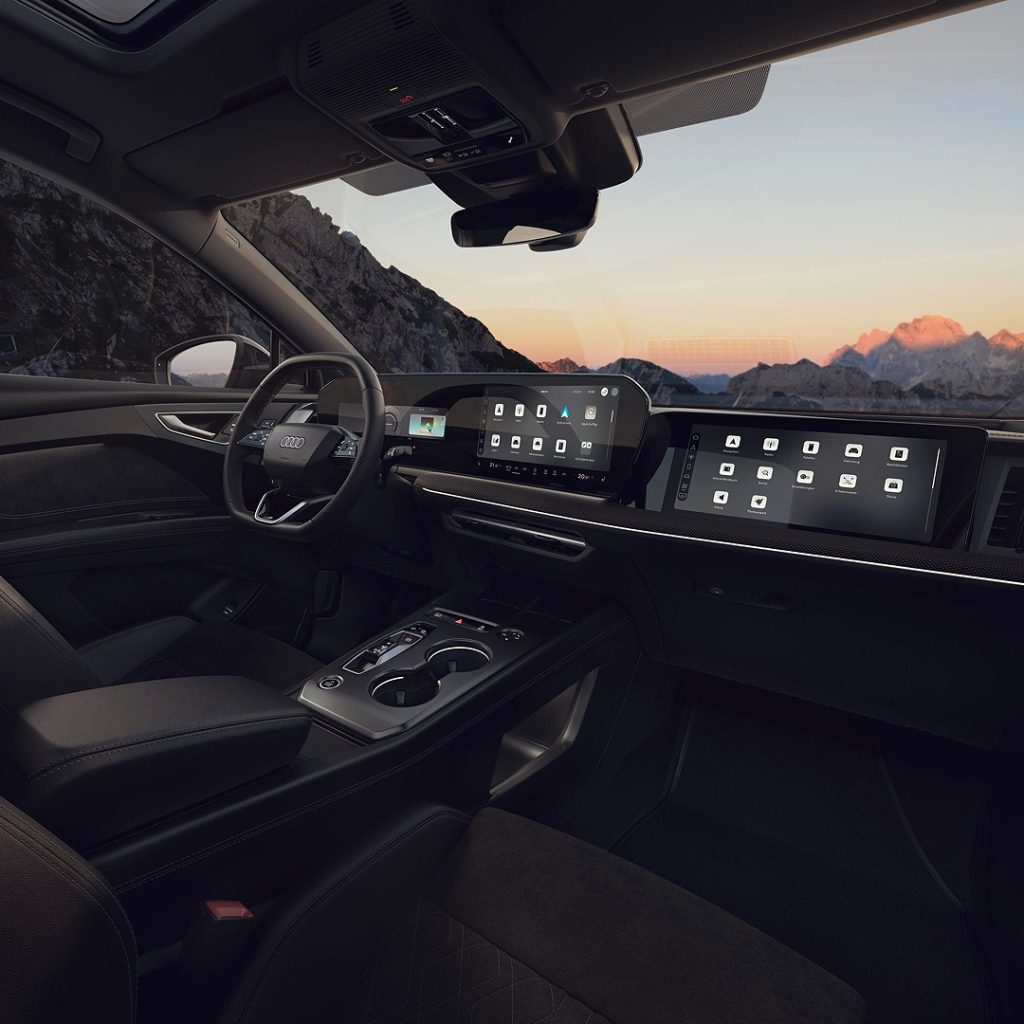
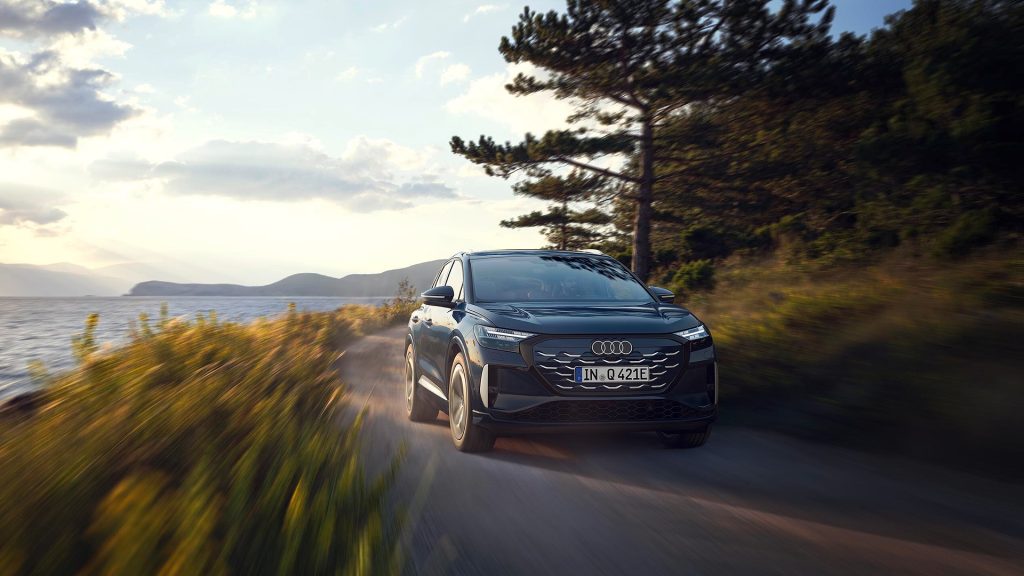
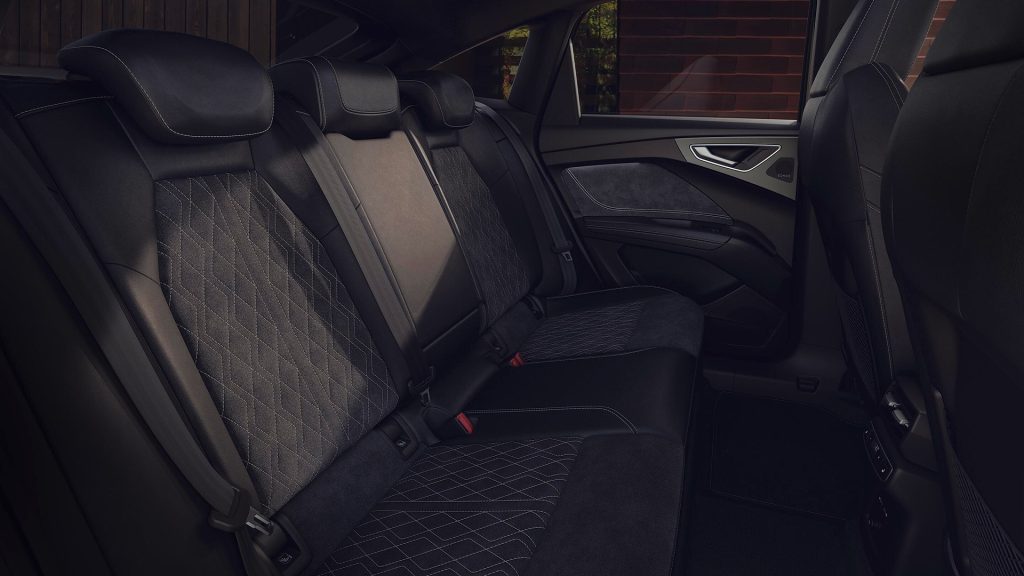
Audi Q4 Sportback e-tron,
power consumption (combined): 18.6–14.8 l/100 km; CO₂ emissions (combined): 0 g/km; CO₂ class: A. Vehicle images show special equipment. (Status 05.2026)
Audi Q4 SUV e-tron,
power consumption (combined): 19.1–15.3 l/100 km; CO₂ emissions (combined): 0 g/km ; CO₂ class: A. Vehicle images show special equipment. (Status 05.2026)
CUPRA Raval VZ 166 kW (226 PS) 52 kWh,
power consumption (combined): 13.7-14.8 kWh/100 km; CO₂ emissions (combined): 0 g/km ; CO₂ class: A. Vehicle illustration shows special equipment. (Status: 05.2026)
CUPRA Formentor VZ5 2.5 TSI 287 kW (390 PS),
CUPRA Formentor VZ 5 2.0 TSI 287 kW (390 PS): Fuel consumption (combined): 10.1–10.2 l/100 km; CO₂ emissions (combined): 229–231 g/km; CO₂ class: G. Vehicle illustration shows special equipment. (Status: 02.2026)
Near-production concept vehicle,
Vehicle has not yet gone on sale. (Stand: 02.2026)
Near-production concept vehicle,
Vehicle has not yet gone on sale. The wrapping will not be offered for sale as either standard or optional equipment. (Status: 02.2026)
Near-production concept vehicle,
Vehicle has not yet gone on sale. The wrapping will not be offered for sale as either standard or optional equipment. (Status: 02.2026)
Near-production concept vehicles,
vehicles have not yet gone on sale. The wrapping of the ID. Polo/ID. Polo GTI will not be offered for sale as either standard or optional equipment. (Status: 02.2026)
Touareg R FINAL EDITION,
power consumption weighted, combined: 15.2-14.8 kWh/100 km plus 6.0-5.2 l/100 km; combined fuel consumption (battery discharged): 10.1-9.4 l/100 km; CO₂ emissions weighted, combined: 136-119 g/km; CO₂ class weighted, combined: E-D; CO₂ class (battery discharged): G. The vehicle illustration shows special equipment. (Status: 12.2025)
Combined pure electric range,
for 19- to 21-inch wheels. (Status: 10.2025)
Combined pure electric range,
for 18- to 21-inch wheels. (Status: 10.2025)
Combined pure electric range,
for 18- to 20-inch wheels. (Status: 10.2025)
Combined pure electric range,
for 17- to 18-inch wheels. (Status: 10.2025)
Audi Q8 SUV TFSI e,
fuel consumption (weighted combined): 1.4–1.2 l/100 km; power consumption (weighted combined): 29.1–27.8 kWh/100km; CO₂ emissions (weighted combined): 33–28 g/km; CO₂ class (weighted combined): B; fuel consumption battery discharged, combined:(combined): 10.5–9.8 l/100 km; CO₂ class battery discharged: G. The vehicle illustration shows special equipment. (Status: 10.2025)
Audi Q7 SUV TFSI e,
fuel consumption (weighted combined): 1.4–1.2 l/100 km; power consumption (weighted combined): 29.1–27.8 kWh/100km; CO₂ emissions (weighted combined): 33–28 g/km; CO₂ class (weighted combined): B; fuel consumption battery discharged, combined:(combined): 10.5–9.8 l/100 km; CO₂ class battery discharged: G. The vehicle illustration shows special equipment. (Status: 10.2025)
Audi Q5 Sportback e-hybrid,
fuel consumption (weighted combined): 3.4–2.5 l/100 km; power consumption (weighted combined): 16.9–15.5 kWh/100km; CO₂ emissions (weighted combined): 77–56 g/km; CO₂ class (weighted combined): B; fuel consumption battery discharged, combined:(combined): 8.4–7.2 l/100 km; CO₂ class battery discharged: G–F. The vehicle illustration shows special equipment. (Status: 10.2025)
Audi Q5 SUV e-hybrid,
fuel consumption (weighted combined): 3.4–2.5 l/100 km; power consumption (weighted combined): 16.9–15.5 kWh/100km; CO₂ emissions (weighted combined): 77–56 g/km; CO₂ class (weighted combined): B; fuel consumption battery discharged, combined:(combined): 8.4–7.2 l/100 km; CO₂ class battery discharged: G–F. The vehicle illustration shows special equipment. (Status: 10.2025)
Audi Q3 Sportback e-hybrid,
fuel consumption (weighted combined): 2.2–1.7 l/100 km; power consumption (weighted combined): 15.1–14.0 kWh/100km; CO₂ emissions (weighted combined): 50–40 g/km; CO₂ class (weighted combined): B; fuel consumption battery discharged, combined:(combined): 6.7–6.0 l/100 km; CO₂ class battery discharged: E. The vehicle illustration shows special equipment. (Status: 10.2025)
Audi Q3 SUV e-hybrid,
fuel consumption (weighted combined): 2.1–1.7 l/100 km; power consumption (weighted combined): 14.9–13.9 kWh/100km; CO₂ emissions (weighted combined): 49–39 g/km; CO₂ class (weighted combined): B; fuel consumption battery discharged, combined:(combined): 6.6–6.0 l/100 km; CO₂ class battery discharged: E. The vehicle illustration shows special equipment. (Status: 10.2025)
Audi A8 L TFSI e,
fuel consumption (weighted combined): 2.2–1.8 l/100 km; power consumption (weighted combined): 23.9–22.0 kWh/100km; CO₂ emissions (weighted combined): 49–40 g/km; CO₂ class (weighted combined): B; fuel consumption battery discharged, combined:(combined): 9.5–8.8 l/100 km; CO₂ class battery discharged: G. The vehicle illustration shows special equipment. (Status: 10.2025)
Audi A8 TFSI e,
fuel consumption (weighted combined): 2.1–1.7 l/100 km; power consumption (weighted combined): 23.6–21.9 kWh/100km; CO₂ emissions (weighted combined): 48–39 g/km; CO₂ class (weighted combined): B; fuel consumption battery discharged, combined:(combined): 9.4–8.7 l/100 km; CO₂ class battery discharged: G. The vehicle illustration shows special equipment. (Status: 10.2025)
Audi A6 Avant e-hybrid,
fuel consumption (weighted combined): 2.9–2.2 l/100 km; power consumption (weighted combined): 16.3–15.2 kWh/100km; CO₂ emissions (weighted combined): 66–51 g/km; CO₂ class (weighted combined): B; fuel consumption battery discharged, combined:(combined): 7.7–6.7 l/100 km; CO₂ class battery discharged: F–E. The vehicle illustration shows special equipment. (Status: 10.2025)
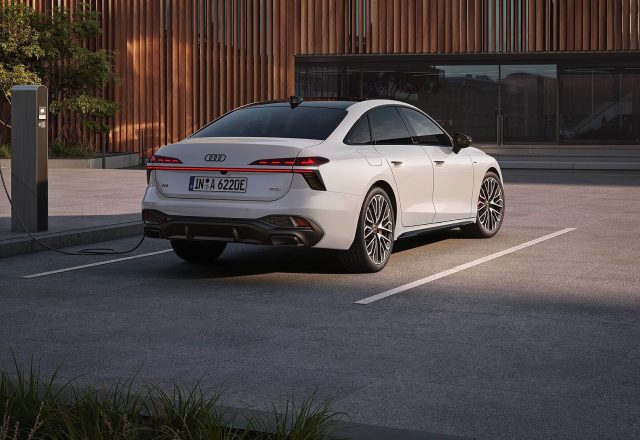
Audi A6 Limousine e-hybrid,
fuel consumption (weighted combined): 2.8–2.1 l/100 km; power consumption (weighted combined): 16.1–15.0 kWh/100km; CO₂ emissions (weighted combined): 63–48 g/km; CO₂ class (weighted combined): B; fuel consumption battery discharged, combined:(combined): 7.5–6.5 l/100 km; CO₂ class battery discharged: F–E. The vehicle illustration shows special equipment. (Status: 10.2025)
Audi A5 Avant e-hybrid,
fuel consumption (weighted combined): 2.7–2.1 l/100 km; power consumption (weighted combined): 15.9–15.0 kWh/100km; CO₂ emissions (weighted combined): 61–47 g/km; CO₂ class (weighted combined): B; fuel consumption battery discharged, combined:(combined): 7.4–6.5 l/100 km; CO₂ class battery discharged: F–E. The vehicle illustration shows special equipment. (Status: 10.2025)
Audi A5 Limousine e-hybrid,
fuel consumption (weighted combined): 2.6–2.0 l/100 km; power consumption (weighted combined): 15.7–19.9 kWh/100km; CO₂ emissions (weighted combined): 60–45 g/km; CO₂ class (weighted combined): B; fuel consumption battery discharged, combined:(combined): 7.3–6.3 l/100 km; CO₂ class battery discharged: F–E. The vehicle illustration shows special equipment. (Status: 10.2025)
Audi A3 allstreet TFSI e,
fuel consumption (weighted combined): 0.4–0.3 l/100 km; power consumption (weighted combined): 16.6–15.0 kWh/100km; CO₂ emissions (weighted combined): 8–7 g/km; CO₂ class (weighted combined): B; fuel consumption battery discharged, combined:(combined): 5.3–4.9 l/100 km; CO₂ class battery discharged: D–C. The vehicle illustration shows special equipment. (Status: 10.2025)
Audi A3 Sportback TFSI e,
fuel consumption (weighted combined): 0.4–0.3 l/100 km; power consumption (weighted combined): 16.6–14.6 kWh/100km; CO₂ emissions (weighted combined): 8–6 g/km; CO₂ class (weighted combined): B; fuel consumption battery discharged, combined:(combined): 5.4–4.9 l/100 km; CO₂ class battery discharged: D–C. The vehicle illustration shows special equipment. (Status: 10.2025)
T-Roc Style,
fuel consumption (combined): 6.0–5.6 kWh/100 km; CO₂ emissions (combined): 137–128 g/km; CO₂ class: E-D. The vehicle illustration shows special equipment. (Status: 10.2025)
T-Roc R-Line,
fuel consumption (combined): 6.0–5.6 kWh/100 km; CO₂ emissions (combined): 136–128 g/km; CO₂ class: E-D. The vehicle illustration shows special equipment. (Status: 10.2025)
Porsche 911 Turbo S,
fuel consumption (combined): 11.8–11.6 kWh/100 km; CO₂ emissions (combined): 266–262 g/km; CO₂ class: G. The vehicle illustration shows special equipment. (Status: 10.2025)
Image shows a near-production concept car,,
no consumption and emission data are available actually.
CUPRA Terramar VZ 1.5 e-HYBRID 200 kW (272 PS),
fuel consumption (weighted, combined): 0.5–0.4 l/100 km; power consumption (weighted, combined): 19.0–17.6 kWh/100 km; fuel consumption (battery discharged): 6.1–5.7 l/100 km; CO₂ emissions (weighted, combined): 12–10 g/km; CO₂ class (weighted, combined): B; CO₂ class (battery discharged): E–D. (Status: 09.2025)
Škoda Octavia Combi RS,
fuel consumption (combined): 7.8–6.8 kWh/100 km; CO₂ emissions (combined): 163–154 g/km; CO₂ class: F–E. Consumption and CO₂ emission figures may vary depending on the selected equipment of the vehicle. The vehicle illustration shows special equipment. (Status: 09.2025)
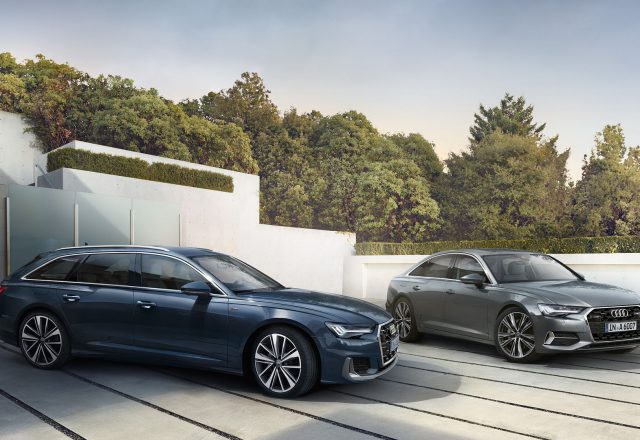
Audi A6 Avant,
fuel consumption (combined): 8.0–5.0 kWh/100 km; CO₂ emissions (combined): 181–130 g/km; CO₂ class: G–D. Consumption and CO₂ emission figures may vary depending on the selected equipment of the vehicle. The vehicle illustration shows special equipment. (Status: 09.2025)
Audi RS3 Sportback,
fuel consumption (combined): 6.7–7.1 kWh/100 km; CO₂ emissions (combined): 153–161 g/km; CO₂ class: E–F. Consumption and CO₂ emission figures may vary depending on the selected equipment of the vehicle. The vehicle illustration shows special equipment. (Status: 09.2025)
Škoda Octavia RS,
fuel consumption (combined): 6.7–7.1 kWh/100 km; CO₂ emissions (combined): 161–153 g/km; CO₂ class: F–E. Consumption and CO₂ emission figures may vary depending on the selected equipment of the vehicle. The vehicle illustration shows special equipment. (Status: 09.2025)
Škoda Elroq 85,
power consumption (combined): 16.4–15.2 kWh/100 km; CO₂ emissions (combined): 0 g/km; CO₂ class: A. Consumption and CO₂ emission figures may vary depending on the selected equipment of the vehicle. The vehicle illustration shows special equipment. (Status: 09.2025)
CUPRA Tavascan VZ 4Drive 250 kW (340 PS) 77 kWh,
power consumption (combined): 17.1–18.5 kWh/100 km; CO₂ emissions (combined): 0 g/km; CO₂ class: A. Consumption and CO₂ emission figures may vary depending on the selected equipment of the vehicle. The vehicle illustration shows special equipment. (Status: 09.2025)
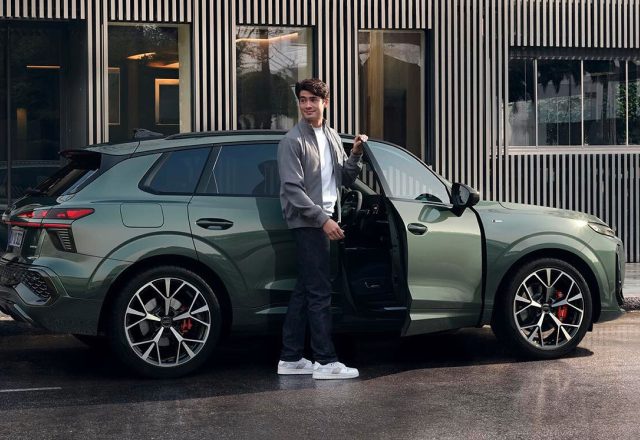
Audi Q6 Sportback e-tron,
power consumption (combined): 18.9–15.6 kWh/100 km; CO₂ emissions (combined): 0 g/km; CO₂ class: A. Consumption and CO₂ emission figures may vary depending on the selected equipment of the vehicle. The vehicle illustration shows special equipment. (Status: 09.2025)
ID. Buzz GTX 4Motion long wheelbase,
power consumption (combined): 21.3–20.2 kWh/100 km; CO₂ emissions (combined): 0 g/km; CO₂ class: A. Consumption and CO₂ emission figures may vary depending on the selected equipment of the vehicle. The vehicle illustration shows special equipment. (Status: 09.2025)
ID.7 GTX Tourer,
power consumption (combined): 18.8–16.6 kWh/100 km; CO₂ emission (combined): combined 0 g/km. Only consumption and emission values according to WLTP and not according to NEDC are available for the vehicle. Information on fuel/power consumption and CO₂ emissions given in ranges depends on the equipment selected for the vehicle. Vehicle images show special equipment. (Status: 09.2025)
Audi Q3 SUV,
fuel consumption in l/100 km (combined): 9.0–5.3; CO₂ emissions in g/km (combined): 205–137; CO₂ class: G. Vehicle images show special equipment. (Status 07.2025)
Škoda Enyaq 85x (210 kW/286 PS),
power consumption, combined: 15.8–16.8 kWh/100 km; CO₂ consumption, combined: 0 g/km; CO₂ class: A. (Status: 04.2025)
Golf GTE,
power consumption weighted, combined: 16.2–15.9 kWh/100 km plus 0.4 l/100 km; fuel consumption battery discharged, combined: 5.4–5.3 l/100 km; CO₂ fuel consumption battery discharged, combined: 8 g/km; CO₂ class weighted, combined: B; CO₂ class battery discharged: D. (Status: 04.2025)
Passat Business eHybrid (130/85 kW),
power consumption weighted, combined: 16.1 kWh/100 km plus 0.4 l/100 km; fuel consumption battery discharged, combined: 5.4 l/100 km; CO₂ fuel consumption battery discharged, combined: 9 g/km; CO₂ class weighted, combined: B; CO₂ class battery discharged: D. (Status: 04.2025)
Touareg R eHybrid,
power consumption weighted, combined: 25.6–24.6 kWh/100 km plus 2.5–2.2 l/100 km; fuel consumption battery discharged, combined: 9.7–9.2 l/100 km; CO₂ fuel consumption battery discharged, combined: 56–50 g/km; CO₂ class weighted, combined: B; CO₂ class battery discharged: G. (Status: 04.2025)
Audi A6 Avant e-tron,
electricity consumption in kWh/100 km: combined 17.5–14.4; CO₂ emissions in g/km: combined 0; CO₂ class: A. Vehicle images show special equipment. (Status: 03.2025)
Audi A6 Sportback e-tron,
electricity consumption in kWh/100 km: combined 16.5–13.6; CO₂ emissions in g/km: combined 0; CO₂ class: A. Vehicle images show special equipment. (Status: 03.2025)
CUPRA Terramar VZ 1.5 e-HYBRID 200 kW (272 PS),
fuel consumption (weighted, combined): 0.4-0.5 l/100 km; power consumption (weighted, combined): 17.6-19.0 kWh/100 km; fuel consumption (battery discharged): 5.7-6.1 l/100 km; CO₂ emissions (weighted, combined): 10-12 g/km; CO₂ class (weighted, combined): B; CO₂ class (battery discharged): D-E. (Status: 12.2024)
Škoda Elroq,
power consumption, combined: 15.2–16.6 kWh/100 km; CO₂ consumption battery, combined: 0 g/km; CO₂ class: A. (Status: 12.2024)
Audi S6 Sportback e-tron,
electricity consumption in kWh/100 km: combined 16.7–15.7; CO₂ emissions in g/km: combined 0; CO₂ class: A. Information on electricity consumption, CO₂ emissions and CO₂ classes given in ranges depends on the equipment selected for the vehicle. Vehicle images show special equipment. (Status: 09.2024)
Audi A6 Avant e-tron performance,
electricity consumption in kWh/100 km: combined: 17.0–14.8; CO₂ emissions in g/km: combined 0; CO₂ class: A. Information on electricity consumption, CO₂ emissions and CO₂ classes given in ranges depends on the equipment selected for the vehicle. Vehicle images show special equipment. (Status: 09.2024)
Audi A6 Sportback e-tron performance,
electricity consumption in kWh/100 km: combined 15.9–14.0; CO₂ emissions in g/km: combined 0; CO₂ class: A. Information on electricity consumption, CO₂ emissions and CO₂ classes given in ranges depends on the equipment selected for the vehicle. Vehicle images show special equipment. (Status: 09.2024)
CUPRA Formentor VZ 2.0 4Drive 245 kW (333 PS),
fuel consumption (combined): 8.7-8.9 l/100 km; CO₂ emissions (combined): 192-201 g/km; CO₂ class (combined): G. Information on consumption, CO₂ emissions and CO₂ classes given in ranges depends on the equipment selected for the vehicle. Vehicle images show special equipment. (Status: 09.2024)
CUPRA Leon VZ 1.5 e-HYBRID 200 kW (272 PS),
fuel consumption (weighted, combined) 0,4 l/100 km; power consumption (weighted, combined) 16.5-16.8 kWh/100 km; fuel consumption (battery discharged) 5.4-5.5 l/100 km; CO₂ class (weighted, combined) 9-10 g/km; CO₂ class (weighted, combined): B; CO₂ class (battery discharged): D. Information on consumption, CO₂ emissions and CO₂ classes given in ranges depends on the equipment selected for the vehicle. Vehicle images show special equipment. (Status: 09.2024)
CUPRA Leon Sportstourer VZ 1.5 e-HYBRID 200 kW (272 PS),
fuel consumption (weighted, combined) 0.4-0.5 l/100 km; power consumption (weighted, combined) 16.7-17.1 kWh/100 km; fuel consumption (battery discharged) 5,5-5,6 l/100 km; CO₂ class (weighted, combined) 9-11 g/km; CO₂ class (weighted, combined): B; CO₂ class (battery discharged): D. Information on consumption, CO₂ emissions and CO₂ classes given in ranges depends on the equipment selected for the vehicle. Vehicle images show special equipment. (Status: 09.2024)
CUPRA Tavascan Z 4Drive 250 kW (340 PS) 77 kWh,
power consumption (combined): 16.5-18.1 kWh/100 km; CO₂ emissions (combined): 0 g/km; CO₂ class: A. Information on consumption, CO₂ emissions and CO₂ classes given in ranges depends on the equipment selected for the vehicle. Vehicle images show special equipment. (Status: 09.2024)
Golf Style eHybrid,
power consumption weighted, combined: 15.7–14.7 kWh/100 km plus 0.4–0.3 l/100 km; fuel consumption battery discharged, combined: 5.3–5.0 l/100 km; CO₂ fuel consumption battery discharged, combined: 9–6 g/km; CO₂ class weighted, combined: B; CO₂ class battery discharged: D–C. (Status: 04.2025)
Q6 e-tron,
electricity consumption in kWh/100 km: combined 19.6-16.5; CO₂ emission in g/km: combined 0; CO₂ class: A. Information on electricity consumption, CO₂ emissions and CO₂ classes given in ranges depends on the equipment selected for the vehicle. Vehicle images show special equipment. (Status: 06.2024)
Q7,
fuel consumption in l/100 km (combined):11,0–7,8; CO₂ emissions in g/km (combined): 251–204; CO₂ class: G. Information on fuel/power consumption and CO₂ emissions given in ranges depends on the equipment selected for the vehicle. Vehicle images show special equipment. (Status 03.2024)
ID.7 Tourer Pro,
power consumption in kWh/100 km: combined 16.8-14.5; CO₂ emission in g/km: combined 0. Only consumption and emission values according to WLTP and not according to NEDC are available for the vehicle. Information on fuel/power consumption and CO₂ emissions given in ranges depends on the equipment selected for the vehicle. Vehicle images show special equipment. (Status: 03.2024)
Superb,
the official consumption and emission figures will not be available until the type approval process is concluded. (Status: 12.2023)
Enyaq 85 / Enyaq 85x,
Enyaq 85: power consumption in kWh/100 km: combined 15.8-14.9; CO₂ emission in g/km: combined 0. Enyaq 85x: power consumption in kWh/100 km: combined 16.8-16.0; CO₂ emission in g/km: combined 0. Only consumption and emission values according to WLTP and not according to NEDC are available for the vehicles. Information on fuel/power consumption and CO₂ emissions given in ranges depends on the equipment selected for the vehicle. Vehicle image shows special equipment. (Status: 12.2023)
Q4 Sportback e-tron,
power consumption in kWh/100 km: combined 18,9–15,6 (WLTP); CO₂ emissions in g/km: combined 0. Only consumption and emission values according to WLTP and not according to NEDC are available for the vehicles. Information on fuel/power consumption and CO₂ emissions given in ranges depends on the equipment selected for the vehicle. Vehicle image shows special equipment. (Status: 11.2023)
Audi S6 Limousine TDI,
fuel consumption in l/100 km (combined): 7,3–6,9; CO₂ emissions in g/km (combined): 191–182. Consumption and emission values are only available according to WLTP and not according to NEDC for the vehicle. (Status: 10.2023)
Audi S6 Avant TDI,
fuel consumption in l/100 km (combined): 7.5–7.1; CO₂ emissions in g/km (combined): 196–187. Consumption and emission values are only available according to WLTP and not according to NEDC for the vehicle. (Status: 10.2023)
Audi S7 Sportback TDI,
fuel consumption in l/100 km (combined): 7.5–7.1; CO₂ emissions in g/km (combined): 195–186. Consumption and emission values are only available according to WLTP and not according to NEDC for the vehicle. (Status: 10.2023)
Porsche Taycan 4,
power consumption in kWh/100 km: combined 24.8–19.6; CO₂ emissions in g/km: combined 0. Only consumption and emission values according to WLTP and not according to NEDC are available for the vehicles. Information on fuel/power consumption and CO₂ emissions given in ranges depends on the equipment selected for the vehicle. Vehicle images show special equipment. (Status:07.2023)
Audi e-tron GT quattro,
power consumption in kWh/100 km: combined 21.6–19.6; CO₂ emissions in g/km: combined 0. Only consumption and emission values according to WLTP and not according to NEDC are available for the vehicles. Information on fuel/power consumption and CO₂ emissions given in ranges depends on the equipment selected for the vehicle. Vehicle images show special equipment. (Status:07.2023)
Born 170 kW (231 PS) 77 kWh,
power consumption in kWh/100 km: combined 17.5-15.7; CO₂ emissions in g/km: kombiniert 0; electric range (combined): 496-552 km (527-551 km for 5 seater) (WLTP). Only consumption and emission values according to WLTP and not according to NEDC are available for the vehicles. Information on fuel/power consumption and CO₂ emissions given in ranges depends on the equipment selected for the vehicle. Vehicle images show special equipment. (Status:07.2023)
Tavascan,
vehicle image shows optional equipment. (Status: 04.2023)
Vehicle no longer available for order,
no consumption and emission data are available.
Golf Alltrack,
fuel consumption in l/100 km: combined 5.9–5.6; CO₂ emissions in g/km: combined 154-146. Only consumption and emission values according to WLTP and not according to NEDC are available for the vehicles. Information on fuel/power consumption and CO₂ emissions given in ranges depends on the equipment selected for the vehicle. Vehicle images show special equipment. (Status: 03.2023)
Audi R8 Spyder,
fuel consumption in l/100 km: combined 13.9–13.4; CO₂ emissions in g/km: combined 316-305. Only consumption and emission values according to WLTP and not according to NEDC are available for the vehicles. Information on fuel/power consumption and CO₂ emissions given in ranges depends on the equipment selected for the vehicle. Vehicle images show special equipment. (Status: 03.2023)
Polo GTI,
fuel consumption in l/100 km: combined 7.1–6.8; CO₂ emissions in g/km: combined 161-153. Only consumption and emission values according to WLTP and not according to NEDC are available for the vehicles. Information on fuel/power consumption and CO₂ emissions given in ranges depends on the equipment selected for the vehicle. Vehicle images show special equipment. (Status: 03.2023)
Leon CUPRA 300,
no longer available for order. (Status: 03.2023)
Audi e-tron,
power consumption in kWh/100 km: combined 24.3–22.0; CO₂ emissions in g/km: combined 0: efficiency class: A+++. Vehicle images show special equipment. (Status: 09.2019)
A6 Avant TFSI e quattro,
fuel consumption in l/100 km: combined 1.6–1.3; power consumption in kWh/100 km: combined 21.5–19.8; CO₂ emissions in g/km: combined 37-30. Only consumption and emission values according to WLTP and not according to NEDC are available for the vehicles. Information on fuel/power consumption and CO₂ emissions given in ranges depends on the equipment selected for the vehicle. Vehicle images show special equipment. (Status: 03.2023)
SEAT Leon e-Hybrid,
currently not available. (Status: 03.2023)
Arteon eHybrid and Arteon Shhoting Brake eHybrid,
Arteon eHybrid: fuel consumption in l/100 km: combined 1.4–1.1; power consumption in kWh/100 km: combined 16.0–14.7; CO₂ emissions in g/km: combined 31-25. Arteon Shooting Brake eHybrid: fuel consumption in l/100 km: combined 1.4–1.2; power consumption in kWh/100 km: combined 16.2–15.0; CO₂ emissions in g/km: combined 32-26. Only consumption and emission values according to WLTP and not according to NEDC are available for the vehicles. Information on fuel/power consumption and CO₂ emissions given in ranges depends on the equipment selected for the vehicles. Vehicle images show special equipment. (Status: 03.2023)
T-Roc R,
fuel consumption in l/100 km: combined 9.1–8.6; CO₂ emissions in g/km: combined 205-196. Only consumption and emission values according to WLTP and not according to NEDC are available for the vehicles. Information on fuel/power consumption and CO₂ emissions given in ranges depends on the equipment selected for the vehicle. Vehicle images show special equipment. (Status:03.2023)
ID.4,
ID.4 Pure Performance: power consumption in kWh/100 km: combined 17.9–16.7; CO₂ emissions in g/km: combined 0. ID.4 Pro Performance: power consumption in kWh/100 km: combined 18.6–16.4; CO₂ emissions in g/km: combined 0. ID.4 Pro 4MOTION: power consumption in kWh/100 km: combined 19.3–17.1; CO₂ emissions in g/km: combined 0.Only consumption and emission values according to WLTP and not according to NEDC are available for the vehicles. Information on fuel/power consumption and CO₂ emissions given in ranges depends on the equipment selected for the vehicle. Vehicle images show special equipment. (Status: 03.2023)
Enyaq iV and Enyaq Coupé iV,
Enyaq iV: power consumption in kWh/100 km: combined 17.1–15.8; CO₂ emissions in g/km: combined 0. Enyaq Coupé iV: power consumption in kWh/100 km: combined 16.9–15.4; CO₂ emissions in g/km: combined 0.Only consumption and emission values according to WLTP and not according to NEDC are available for the vehicles. Information on fuel/power consumption and CO₂ emissions given in ranges depends on the equipment selected for the vehicle. Vehicle images show special equipment. (Status: 03.2023)
Motorsports vehicle,
not available as a production model, no consumption and emission data are available.
ID.4 GTX,
power consumption in kWh/100 km: combined 19.3–17.2 (WLTP); CO₂ emissions in g/km: combined 0. Only consumption and emission values according to WLTP and not according to NEDC are available for the vehicles. Information on fuel/power consumption and CO₂ emissions given in ranges depends on the equipment selected for the vehicle. Vehicle images show special equipment. (Status: 03.2023)
Amarok PanAmericana,
fuel consumption in l/100 km: combined 10.5–10.2; CO₂ emissions in g/km: combined 274-267. Only consumption and emission values according to WLTP and not according to NEDC are available for the vehicles. Information on fuel/power consumption and CO₂ emissions given in ranges depends on the equipment selected for the vehicle. Vehicle images show special equipment. (Status:03.2023)
ID.3,
power consumption in kWh/100 km: combined 16.5–15.2; CO₂ emissions in g/km: combined 0. Only consumption and emission values according to WLTP and not according to NEDC are available for the vehicles. Information on fuel/power consumption and CO₂ emissions given in ranges depends on the equipment selected for the vehicle. Vehicle images show special equipment. (Status: 07.2023)
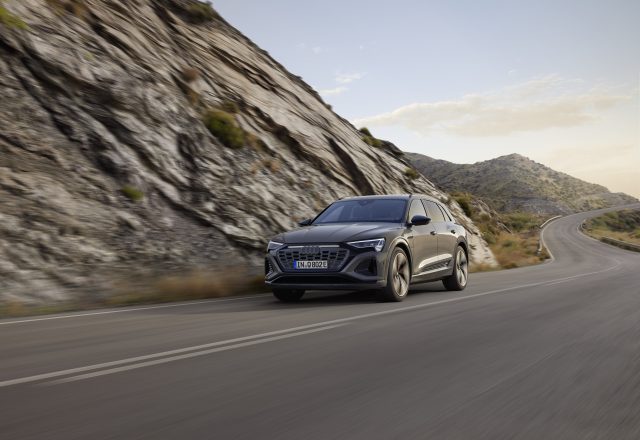
Audi Q8 e-tron,
combined power consumption in kWh/100 km: 24.4–20.1(WLTP); CO₂ emissions (combined) in g/km: 0. Only consumption and emission values according to WLTP and not according to NEDC are available for the vehicles. Information on fuel/power consumption and CO₂ emissions given in ranges depends on the equipment selected for the vehicle. Vehicle images show special equipment. (Status: 12.2022)
Superb,
official consumption and emission figures are not yet available, as the type approval process has not yet been completed.
ID. Buzz and ID. Buzz Cargo,
ID. Buzz Pro: power consumption in kWh/100 km: combined 21.8 - 20.6; CO₂ emissions in g/km: combined 0. ID. Buzz Cargo: power consumption in kWh/100 km: combined 22.3-20.3; CO₂ emissions in g/km: combined 0. Only consumption and emission values according to WLTP and not NEDC are available for the vehicles. Fuel consumption and CO₂ emissions data with ranges depending on the vehicle equipment selected. Vehicle illustrations show optional equipment.
ID.5 Pro and ID.5 Pro Performance,
Power consumption in kWh/100 km: combined 18.4-16.1; CO2 emissions in g/km: combined 0. Only consumption and emission values according to WLTP and not NEDC are available for the vehicles. Fuel consumption and CO2 emission data with ranges depending on the equipment selected for the vehicles. Vehicle illustration shows optional equipment.
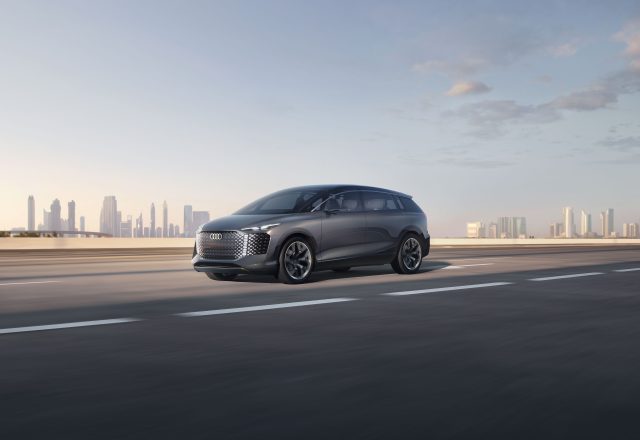
Image shows concept vehicle/study,
the vehicle is not available as a production model, no consumption and emission data are available.
ID.5 Pro,
power consumption in kWh/100 km: combined 16.2; CO2 emissions in g/km: 0; efficiency class: A+++.Vehicle image shows optional equipment. (Status: 11.2021)
ID.5 GTX,
Power consumption in kWh/100 km: combined 17.1; CO₂ emissions in g/km: 0; efficiency class: A+++. Vehicle image shows special equipment. (Status: 05.2022)
Audi e-tron,
power consumption in kWh/100 km: 24.3–22.0 combined; CO2-emission combined in g/km: 0; Efficiency class: A+++. Vehicle image shows optional equipment. (Status: 09.2019)
ID.4 Pro Performance,
power consumption in kWh/100 km: 16.0–14.8 combined; CO2-emission combined in g/km: 0; Efficiency class: A+++. Vehicle image shows optional equipment. (Status: 02.2021)
Q5 Sportback,
fuel consumption in l/100 km: Combined 7.6-4.7; CO2 emissions in g/km: Combined 182-123; efficiency class: C-A+. Vehicle image shows optional equipment. (Status: 02.2021)
Caddy Cargo,
Fuel consumption in l/100 km: Combined 5.8-4.4; CO₂ emissions in g/km: Combined 131-117. Vehicle image shows optional equipment. (Status: 02.2021)
OCTAVIA COMBI SCOUT 1,5 TSI DSG e-TEC 110 kW,
fuel consumption in l/100 km: Urban 6.1, extra-urban 4.2, combined 4.9; CO2 emissions in g/km: combined 112; efficiency class: A. Vehicle image shows optional equipment. (Status: 02.2021)
SEAT Leon Sportstourer e-HYBRID,
power consumption in kWh/100 km: Combined: 15.5–15.0; electricity consumption/petrol in l/100 km: Combined 1.3–1.2; CO2 emissions in g/km: Combined 29–27; efficiency class: A+. Vehicle image shows optional equipment. (Status: 02.2021)
SEAT Leon e-HYBRID,
power consumption in kWh/100 km: Combined 15.4–14.9; fuel consumption/petrol in l/100 km: Combined 1.3–1.2; CO2 emissions in g/km: Combined 29–27; efficiency class: A+. Vehicle image shows optional equipment. (Status: 05.2021)
SEAT Tarraco e-HYBRID,
power consumption in kWh/100 km: Combined 14.5; fuel consumption/petrol in l/100 km: Combined 1.8; CO2 emissions in g/km: Combined 41; efficiency class: A+. Vehicle image shows optional equipment. (Status: 05.2021)
Audi Q4 e-tron ,
power consumption in kWh/100 km: Combined 17.3–15.8 (NEDC); Combined 19.0–17.0 (WLTP); CO₂ emissions in g/km: 0; efficiency class A+. Vehicle image shows optional equipment. (Status: 05.2021)
Octavia RS iV,
fuel consumption in l/100 km: combined 1.5; power consumption in kWh/100 km: combined 11.2; CO2 emissions in g/km: combined 33; efficiency class: A+. Vehicle image shows optional equipment.
Octavia Combi RS iV,
fuel consumption in l/100 km: combined 1.5; power consumption in kWh/100 km: combined 11.4; CO2 emissions in g/km: combined 34; efficiency class: A+. Vehicle image shows optional equipment. (Status: 05.2021)
OCTAVIA COMBI iV,
fuel consumption in l/100 km: combined 1.4; power consumption in kWh/100 km: combined 11.6; CO₂ emissions in g/km: combined 31; efficiency class: A+. Vehicle image shows optional equipment. (Status: 05.2021)
CUPRA Born,
power consumption in kWh/100 km: combined 16.0–15.0; CO₂ emissions in g/km: 0; efficiency class: A+. Vehicle image shows optional equipment. (Status: 09.2021)
Q4 Sportback e-tron,
power consumption (NEDC) in kWh/100 km: combined1) 17.9–15.6; CO₂ emissions in g/km: combined1) 0; efficiency class: A+. Vehicle images show special equipment. (Status: 09.2021)
ŠKODA ENYAQ iV 80x,
Power consumption in kWh/100 km: 16.1 combined; CO2-emission combined in g/km: 0; Efficiency class: A+. Vehicle image shows optional equipment. (Status: 09.2021)
ID.4 GTX,
Power consumption in kWh/100 km: 18.2-16.3 combined; CO2-emission combined in g/km: 0; Efficiency class: A+++. Vehicle image shows optional equipment. (Status: 10.2021)
ID.5 GTX,
power consumption in kWh/100 km: combined 17.1 – 15.6; CO₂ emissions combined in g/km: 0. Efficiency class: A+++; Vehicle image shows optional equipment.
ID.5 Pro and ID.5 Pro Performance,
power consumption in kWh/100 km: combined 15,9 – 14,6; CO₂ emissions combined in g/km: 0; Efficiency class: A+; Vehicle image shows optional equipment. (Status: 06.2022)
CUPRA Formentor 2.0 TDI,
fuel consumption in l/100 km: combined 5.1-4.3; CO₂ emissions in g/km: combined 135-113; efficiency class: B-A.Vehicle image shows optional equipment. (Status: 05.2022)
Audi S8 TFSI,
fuel consumption in l/100 km: combined 10.8-10.7; CO₂ emissions in g/km: combined 246-245; efficiency class: E.¹⁾ Vehicle image shows optional equipment. (Status: 05.2022)
ID.3 1ST,
power consumption in kWh/100 km: combined 15,4 – 13,5; CO₂ emissions combined in g/km: 0; Efficiency class: A+; Vehicle image shows optional equipment. (Status: 09.2021)
ŠKODA ENYAQ iV 80 ,
electricity consumption in kWh/100 km: Combined 13.6; CO2 emissions in g/km: 0; efficiency class: A+++. Vehicle image shows special equipment. (Status: 02.2022)
Golf GTI,
(180 kW / 245 PS) (NEDC) fuel consumption in l/100 km: urban 9.0-8.6 / extra-urban 5.6-5.3 / combined 6.9-6.5; CO₂ emissions in g/km (combined): 157-149; efficiency class: D-C. Vehicle image shows special equipment. (Status: 05.2021)